Earn From Home
Earning From Home in 2026: What Is Real, What Pays, and the Red Flags to Know
More than a third of working Americans now do some of their work from home, and one in five adults earns on the side. Here is the clear-eyed picture, plus the warning signs that cost people $750 million in a single year.

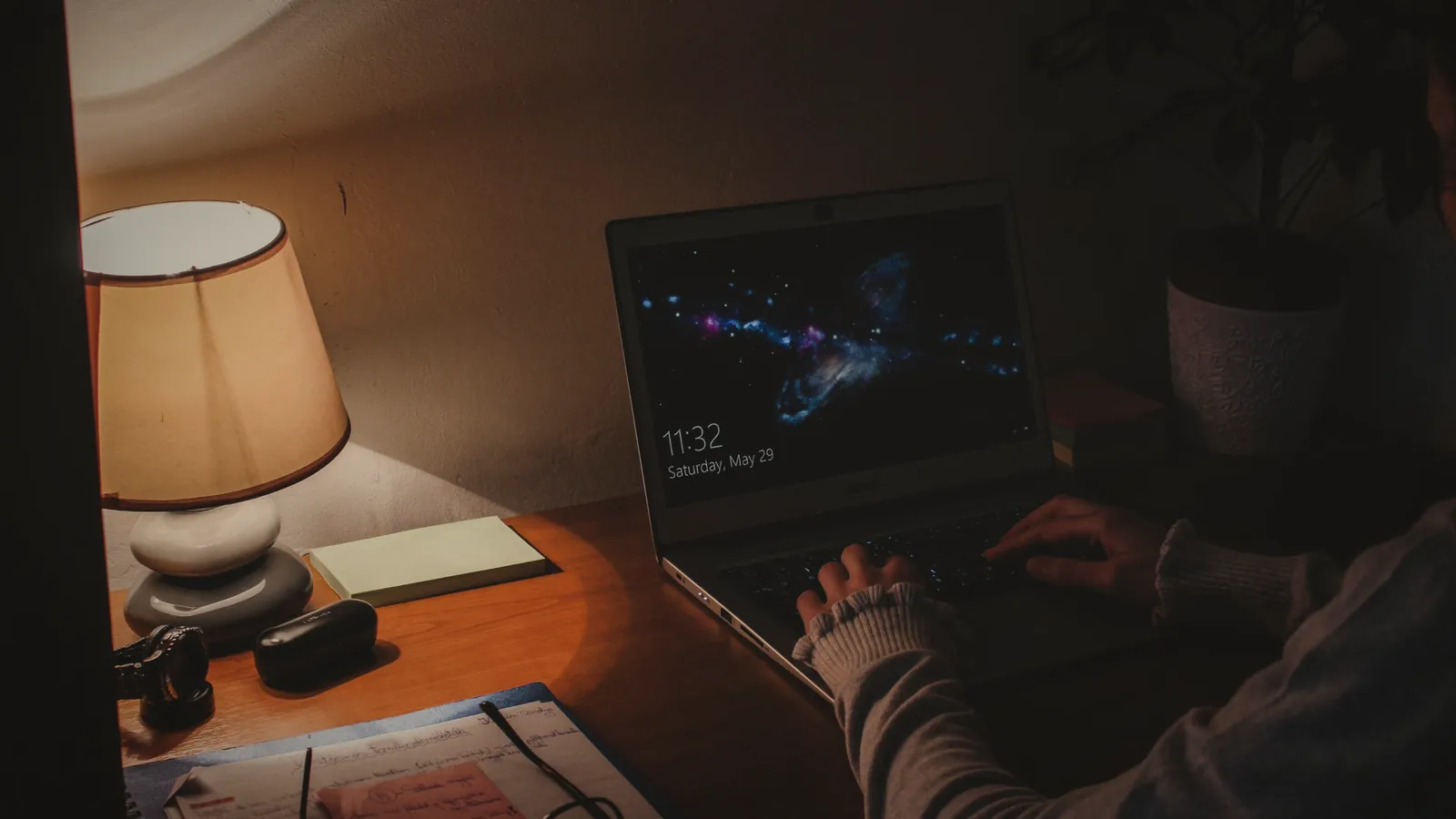
A generation ago, "earn from home" was a phrase on a flyer stapled to a telephone pole. Today it describes a sizable share of the American workforce. The question is no longer whether it is real. It is which version is real for you, and how to tell a genuine opportunity from an expensive lesson.
By the numbers
Home is a workplace now
On the days they worked in 2025, 35 percent of employed Americans did some or all of their work at home, according to the Bureau of Labor Statistics. The Federal Reserve's latest survey found 39 percent of workers worked from home at least part of the week, and 17 percent worked from home entirely.
The share of people who usually work from home has more than doubled since before the pandemic, from 5.7 percent of workers in 2019 to 13.3 percent in 2024, according to the Census Bureau. Among the self-employed, 30 percent work entirely from home.
Side income is common, and usually part-time
You do not need to leave a job to earn from home. The Federal Reserve found that 20 percent of adults did some kind of gig activity in a single month. The most common form was selling things, done by 13 percent of adults, followed by short-term tasks at 9 percent.
For most, it is supplemental. Only about one in five called that work their main job, and 70 percent spent fewer than five hours a week on it. That is the realistic shape of earning from home for most people: a few focused hours that add a meaningful second line to the household budget, with room to grow into more.
The everyday success story is not a viral overnight fortune. It is a few protected hours a week, a model that fits your skills, and income that builds steadily as you get better at it.
Where the money is lost
Wherever people want to earn, someone is waiting to sell them a shortcut. Americans reported losing $15.9 billion to fraud in 2025, according to the Federal Trade Commission, across 3 million reports. Business and job opportunity scams alone cost people $750.6 million in 2024, up nearly $250 million from the year before.
Job scams are the fastest growing piece. Reported losses in that category climbed from $90 million in 2020 to $501 million in 2024. A new variety, so-called task scams that pay small amounts for simple online "tasks" before demanding money, went from about 5,000 reports in all of 2023 to about 20,000 in just the first half of 2024. And one in three people who lost money to a job or business opportunity scam in 2025 said it started on social media.
The red flags, from the FTC
- You are asked to pay to get paid. Honest employers do not charge for the job, the training, a certification, or a starter kit.
- A check arrives and you are asked to send some back. Never spend or forward money from a check that has "cleared." It can bounce days later.
- The pay is huge for very little work. Big promised income for a few easy hours is the oldest pitch there is.
- The pitch is the lifestyle, not the work. "Be your own boss" and "set your own hours" with no detail on what you will actually do.
- You are pushed to sell to friends and family. Income that depends mainly on recruiting people you know is a warning sign.
- You are asked to reship packages. Reshipping jobs are often fronts for moving stolen goods.
- The offer came out of the blue. An unexpected message offering you a job you never applied for deserves suspicion.
Before you commit to anything, search the company's name with the words "scam," "review," and "complaint," and talk it over with someone you trust. If something goes wrong, report it at ReportFraud.ftc.gov and to your state attorney general.
How to find the real thing
- Start with your actual hours. Five protected hours a week is a plan. "Whenever I can" is not.
- Match the model to your skills. Selling, services, and specialist work are the most common paths for a reason.
- Expect to start small. Most side income begins modestly. Anyone promising otherwise is selling something.
- Insist on plain answers. A legitimate opportunity tells you what it costs, what you will do, and what typical people earn.
Get the Report
Modern Enterprise Report brings you the data on earning from home and the opportunities we think are worth a serious look, with the red flags called out plainly. Subscribe free.
Sources
- Bureau of Labor Statistics, American Time Use Survey, 2025 Results
- U.S. Census Bureau, American Community Survey, commuting and working from home
- Federal Reserve, Economic Well-Being of U.S. Households in 2025
- Federal Reserve, Economic Well-Being of U.S. Households in 2024
- Federal Trade Commission, Testimony to the Joint Economic Committee on the scam economy, March 2026
- Federal Trade Commission, New FTC Data Show a Big Jump in Reported Losses to Fraud, to $12.5 Billion in 2024
- Federal Trade Commission, Data Spotlight: Paying to Get Paid, Gamified Job Scams Drive Record Losses
- Federal Trade Commission, Data Spotlight: Reported Losses to Scams on Social Media Eight Times Higher Than in 2020
- Federal Trade Commission, Job Scams, consumer advice
A note on how we work. Modern Enterprise Report is free to read. We may be paid by partner companies whose offers appear on this site, never by you. Nothing here is investment advice or a promise of income, and results vary with the opportunity, the market and the effort you put in.